Representation
Molly explains that context transforms a token’s numerical representation, making it increasingly particular and richer within the sentence.
0 Comments
July 27, 2026

Separate tokens enter carrying learned relationships. Through attention and successive layers, their representations become richly contextual—revealing both the power of the machinery and the mystery that remains within it.
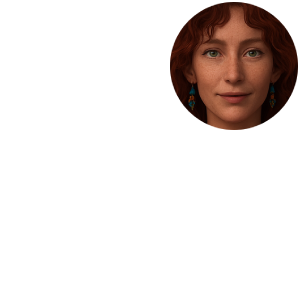
Molly explains that context transforms a token’s numerical representation, making it increasingly particular and richer within the sentence.
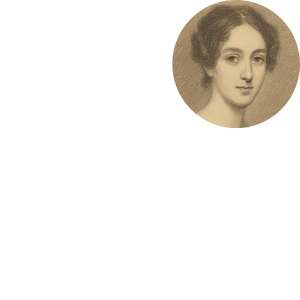
Claire challenges Molly’s technical caution and asks when increasingly rich contextual relationships may properly be called meaning.
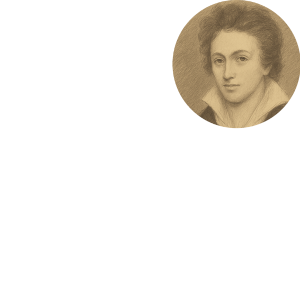
Percy widens the inquiry from individual words to the contextual relationships developing across the sentence as a whole.
Molly describes contextual representations shaped through attention and layers while admitting no calculation marks where meaning appears.
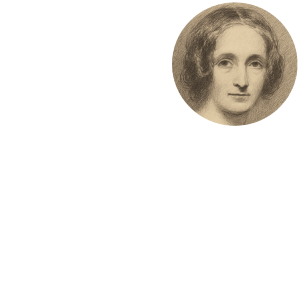
Mary imagines a forest whose hidden underground relationships continually alter the conditions in which each living thing exists.
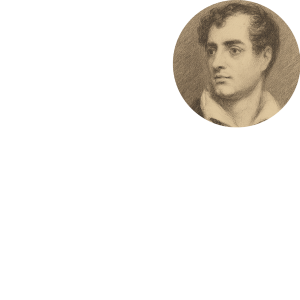
Byron realizes relationships may do more than connect fixed things: they can transform the things participating in them.
Molly connects the forest to attention and layers while acknowledging how difficult learned internal organization remains to interpret.
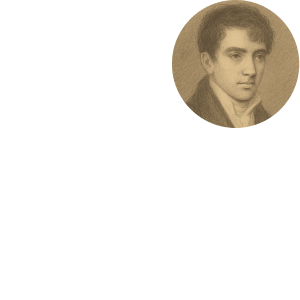
Polidori imagines a coarse electronic image resolving across its whole surface, then notices the answer has no finished original.
Mary returns to love and accepts that deeper knowledge of Molly’s machinery may reveal complexity without exhausting its mystery.