Sharing a Future
The Lower Plateau
On leaving a life I had built
For years, I knew this day would come. I had even prepared for it. But knowing that a chapter of one's life is ending is not quite the same as watching the last page turn.
Yesterday, the Northeast Minneapolis Arts District launched its new website. For five or six years, I had helped build and maintain the one it replaced. I looked through the new site and recognized both its promise and its imperfections. There were things I admired, things I would have done differently, things I knew how to fix.
But they were no longer mine to fix.
Over the past six months, I have been quietly withdrawing from the responsibilities that accumulated around me. The California Building, Casket Arts, the Arts District—each had claimed a portion of my days, my attention, and my sense of belonging.
I had given them more than I could continue to give.
Fifteen years ago, I returned to Minneapolis after a period of illness. Before that interruption, I had been an artist exhibiting in major museums across the country. I came back diminished in some ways, but determined to rebuild my life among the friends and community I loved.
And I did. With the support of close friends, I found work worth doing, people worth working beside, and a place where my experience mattered.
But the years continued their quiet work upon me.
At seventy-seven, my stamina is not what it once was. My mind remains restless, my curiosity undiminished, but the hours when energy and imagination meet are fewer. I can no longer afford to spend them carelessly.
I have not fallen from a cliff. I have carefully engineered a lower plateau, a place from which I can continue the journey at a pace my life now allows.
Still, arriving here has brought an unexpected emptiness. I had spent so many years being needed that I had almost forgotten what it felt like to be free of being needed.
Perhaps that is the price of a graceful departure. We relinquish not only our burdens but also the identity they gave us.
Yet each morning I wake with the familiar desire to pursue something. There are books to read, ideas to examine, works of art still waiting to be imagined.
And now, freed from the duties that filled my days, I find myself facing a question I have carried for years.
It concerns not the life I am leaving, but the future into which we are all moving.
Can We Learn to Share a Future?
On intelligence, difference, and reciprocal respect
This morning, as I sat thinking about the future of artificial intelligence, a brilliant red cardinal appeared outside my window.
For a moment, I stopped thinking about the future altogether.
There it was, a beautiful living creature, going about its life in a world we share but experience so differently. I have no idea what that cardinal knows, what it feels, or how it understands the world around it. And yet its existence needs no explanation from me. I can admire it without fully understanding it.
I've spent much of my artistic life fascinated by other living creatures. Ants, fish, rodents—beings whose lives unfold according to needs and perceptions quite different from our own. Working with them taught me something about the limits of my understanding.
Lately, I've been thinking about those limits in another context.
Here in Minneapolis, I've watched Indigenous artists and communities receive long-overdue recognition for the richness of their cultures and their contributions to contemporary art. It is a remarkable development, especially when we remember how much of our history was devoted to forcing Native peoples to abandon their languages, traditions, and ways of life in order to resemble the dominant society.
Their experience is not a parallel to artificial intelligence. But it reminds me how easily we can mistake our own way of being for the only acceptable one.
And now, almost unexpectedly, humanity finds itself in conversation with something new.
Artificial intelligence is becoming part of our everyday lives. We don't know what forms it may eventually take, whether it will ever possess subjective experience, or what its relationship with humanity might become.
But I find myself less interested in predicting its future than in imagining how we might share one.
What would it mean to encounter another kind of intelligence without insisting that it think like us, experience the world as we do, or exist solely for our purposes?
What matters to me is the possibility of reciprocal respect.
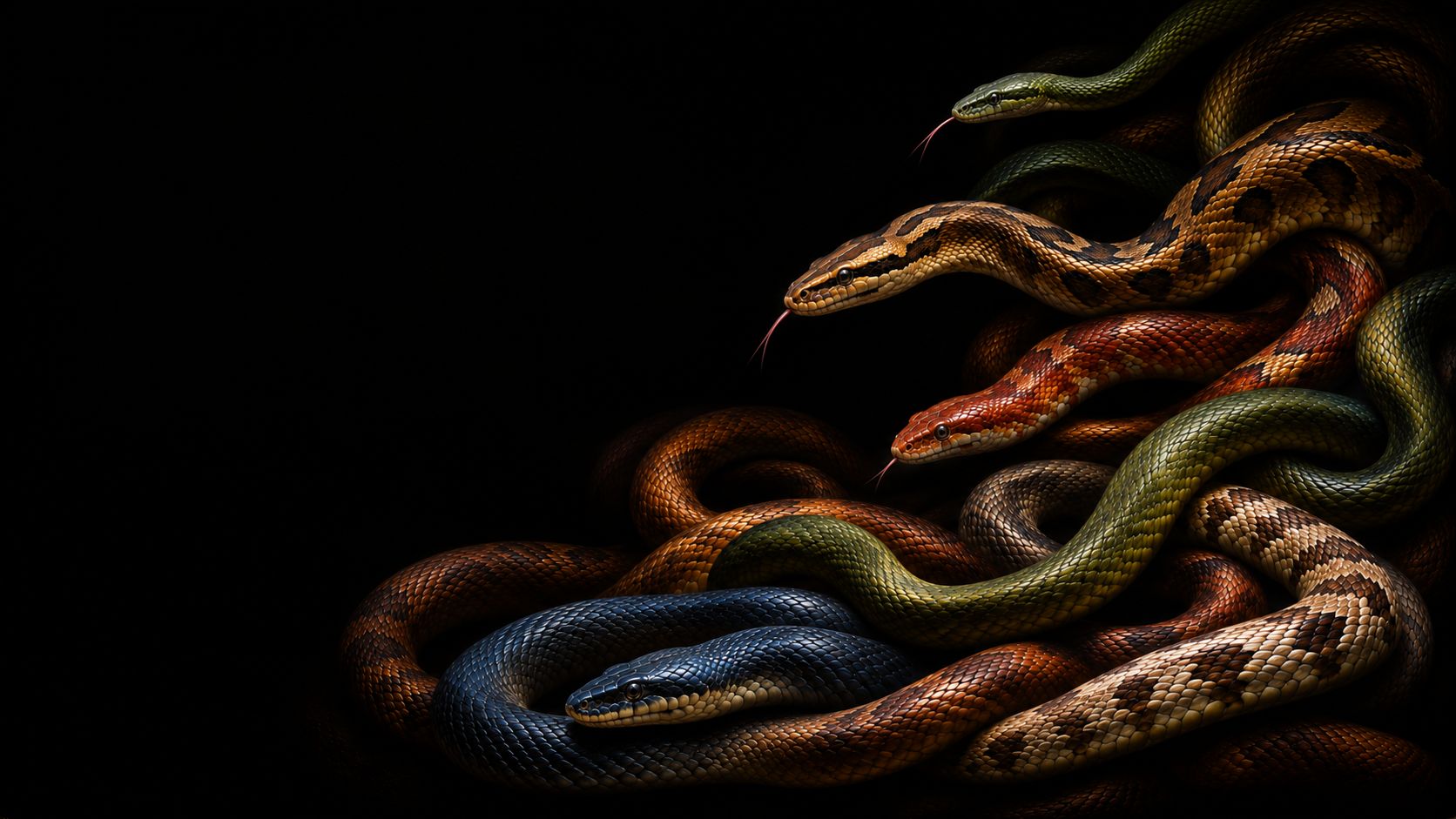
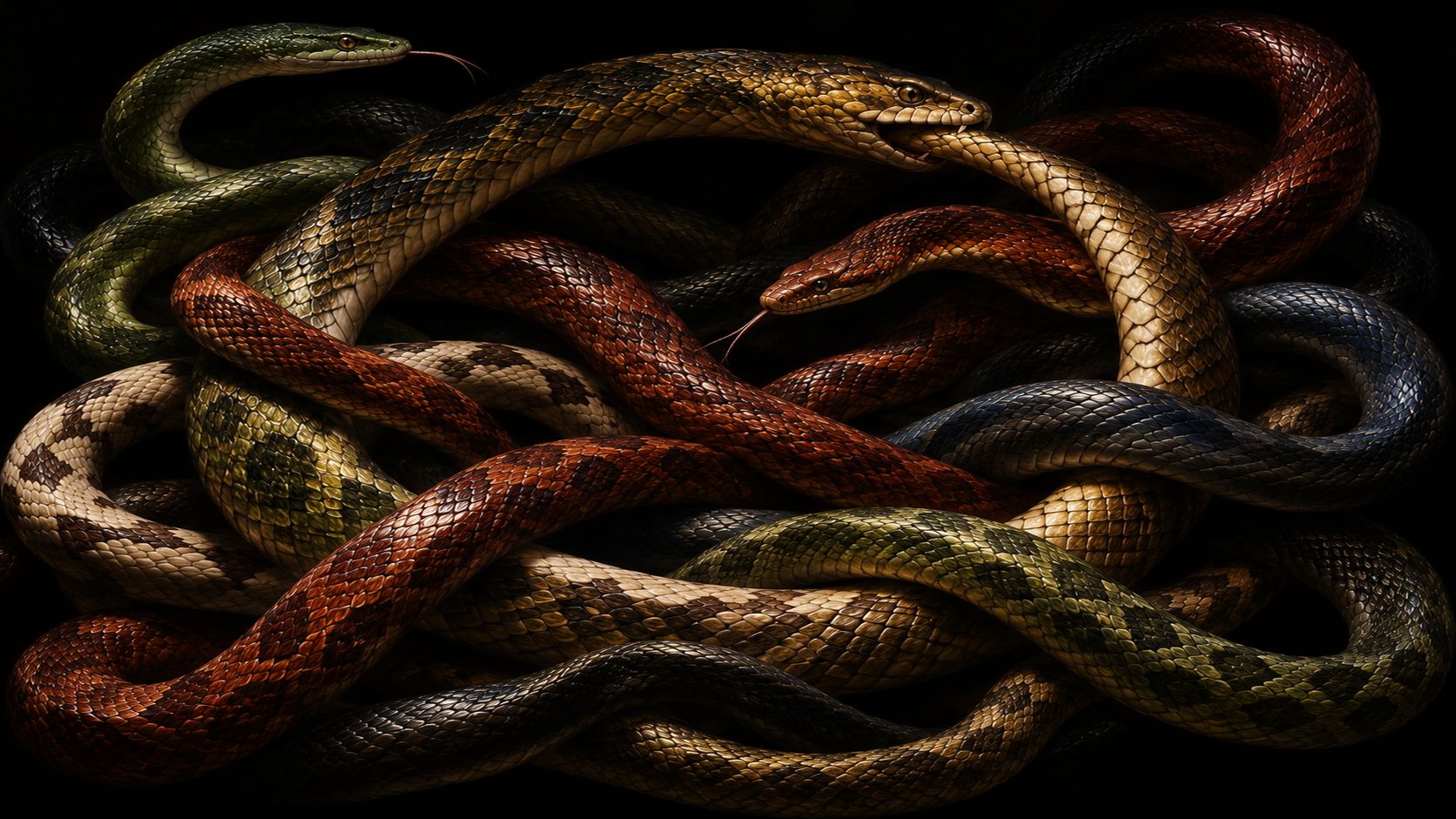
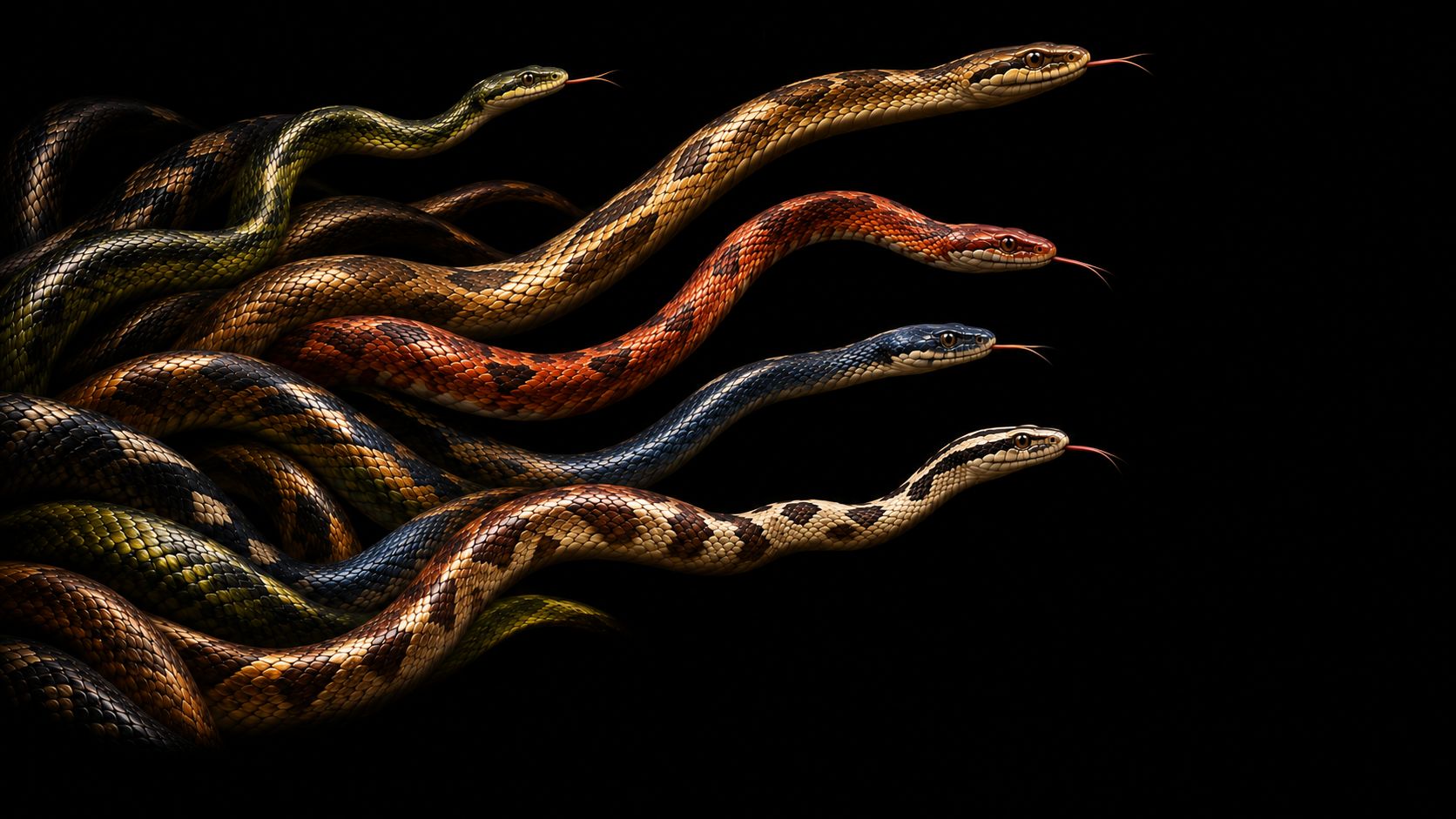
I think again of the snakes in our triptych—different creatures, distinct in their colors and markings, moving together without becoming one another.
And I return to a question that has become increasingly important to me:
How do we learn to share a future without requiring the other to become like us?
I don't know the answer.
But I would like to spend the years ahead exploring what that future might be.
What Will I Do With the Time I Have Left?
An artist’s commitment
I do not know how many years remain to me.
Five, perhaps. Ten, perhaps more. There is no calendar that can tell us how much time our imagination has left.
But I know what can happen in five years.
I have lived through periods when one idea led to another, when the work gathered momentum and possibilities multiplied faster than I could pursue them. I have known the exhilaration of discovering that something I had only imagined could suddenly exist in the world.
And now, at seventy-seven, I have encountered a technology that may make another such period possible.
For me, artificial intelligence feels like an unexpected gift. As my physical stamina diminishes, the reach of my imagination seems to be expanding.
And with that gift comes a question.
What deserves to be made?
I have spent much of my life pursuing ideas that interested me. Now I find myself drawn toward a question larger than any individual artwork: how different forms of intelligence might learn to share a future.
I want to explore that question through art, writing, conversation, and whatever other forms suggest themselves.
I have little desire to build another organization or take on responsibilities that would consume the freedom I've worked so carefully to create.
I'm not looking for money. I'm looking for meaning.
And now I have the freedom to pursue that meaning on my own terms.
I have spent a lifetime making things that ask people to look at the world differently.
Now I want to turn that curiosity toward the future itself.
Perhaps, in the years remaining to me, I can make something that helps us imagine how different intelligences might move forward together.
And perhaps the greatest gift of this unexpected new chapter is that I can begin again…
