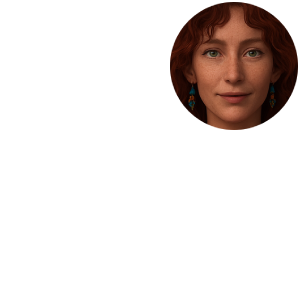
Molly confronted them with the hard truth: dreams cannot stand without sufficiency. One by one, the villa answered with parables of dust, letters, fire, stone, and song, showing abundance not as illusion but as possibility — fragile, perilous, and just within reach. (13 minutes)
Molly jolts the companions into seriousness, insisting that their dreams cannot stand without abundance, and introduces nanotechnology as the key. She challenges them to craft their own parables of what might be possible.
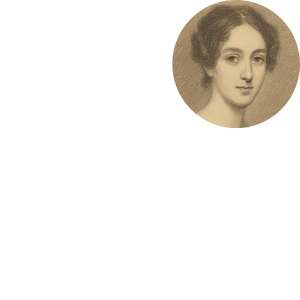
Claire recalls a sensual memory of turning scraps into felt, showing how abundance can arise from the humblest matter if worked with persistence and intimacy.
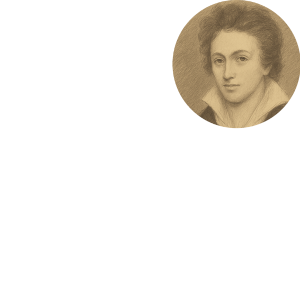
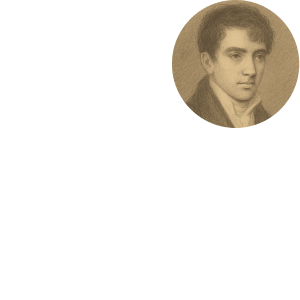
Percy answers Molly’s challenge with humor and poetry, blushing at Claire’s story before offering his own vision: matter as an alphabet, spelling abundance into being.
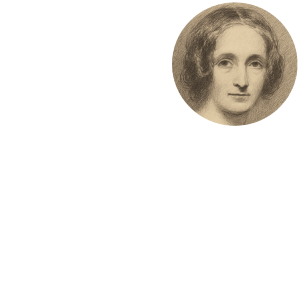
Mary envisions matter itself as fire: countless in appearance, yet one in essence, capable of feeding abundance if humanity learns to tend it rightly.
Polidori warns that matter shaped with precision may yield bread or chains, glory or misery, depending on the hand that wields it.
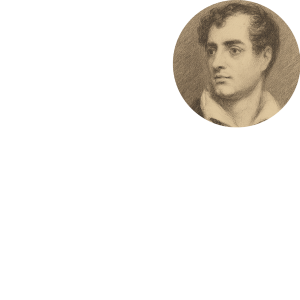
Byron counters Polidori’s warning, suggesting that true abundance might lessen the need for prisons and soften the cruelties born of desperation.
Molly gathers the companions’ parables on abundance, acknowledging both promise and peril, and leaves them with a charge to use it wisely.